
The pairs have been paired and soon we get to see how things went. I’ve been doing this long enough not to expect miracles, but I must admit to being a little more than excited about having six females, including our axanthic, potentially laying eggs this year. It is always a bit like Christmas morning when you’re a kid waiting for Gila monster eggs, you’re not quite sure what you’re going to get, but you hope it will be everything you’ve dreamed of all year. All the planning, cooling, feeding, and pairing comes to fruition or failure now.
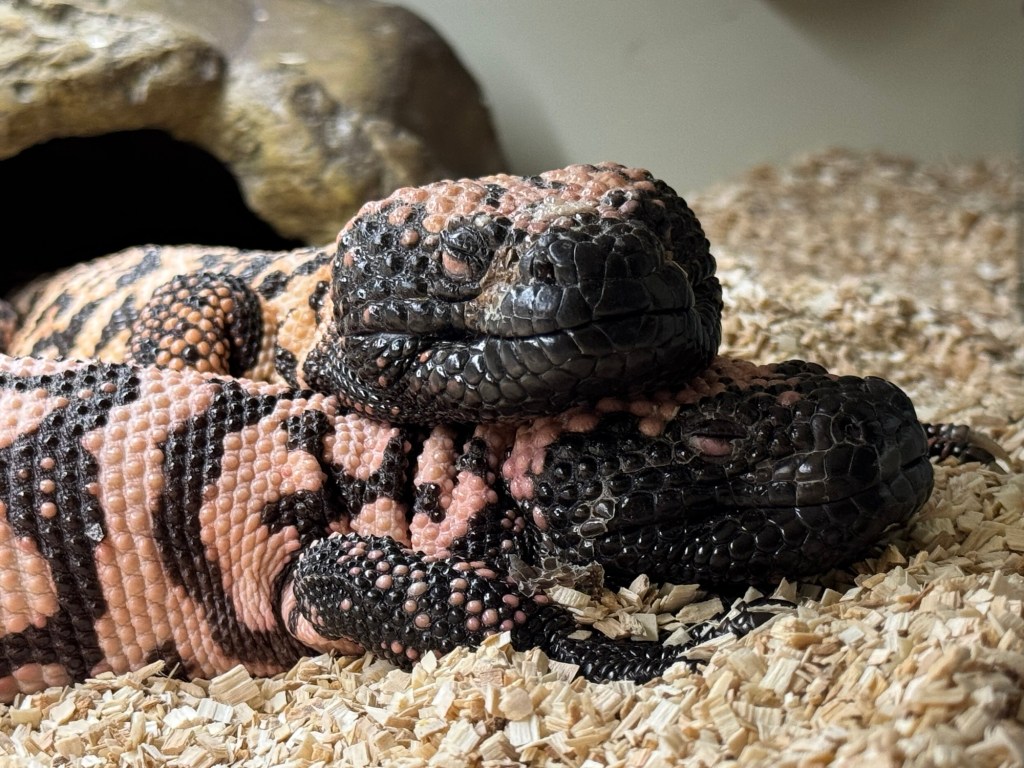

Setting up the pairs in hopes of achieving specific traits such as high pink or orange, reduced or abnormal patterns, or axanthic, is meticulously planned based on babies that have been produced here. I am in touch with many of the folks that have purchased Gilas from us here at Goatsby’s Place and track how they grow to try and replicate these traits. The axanthic line, originally from Seward’s project, is very exciting and we hope to have some 100% hets this year from that pairing.
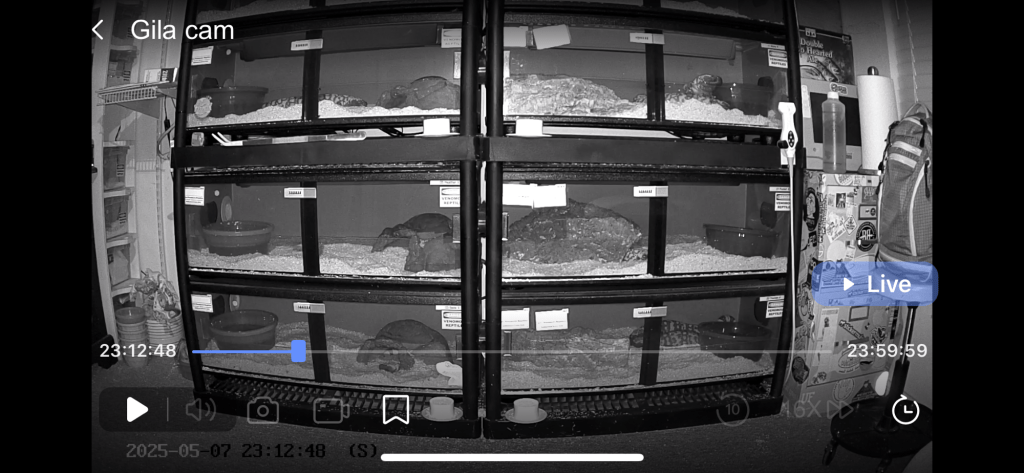
After oviposition the long wait begins. It’s been common for eggs that will not make it to term to expire within the first 30 days after being laid, though they can go bad at any time really. Never count your Gilas before they hatch is a good analogy! There’s a lot of hurry up wait at this point but it’s all part of the process in breeding Gila monsters.

Every year starts out with hope and we are thankful that it has ended with baby Gila monsters for the past six years. Some eggs are not fertile or make it to full term, but as long a a baby Gila pips its head out of the egg in the fall it is all worth it!
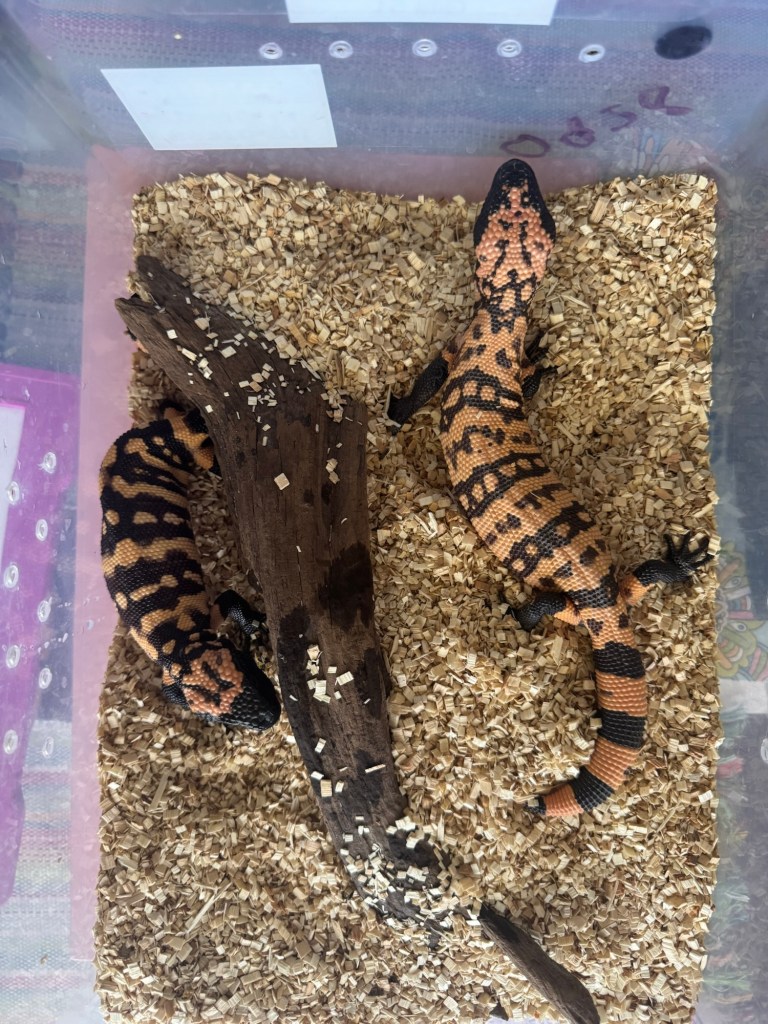

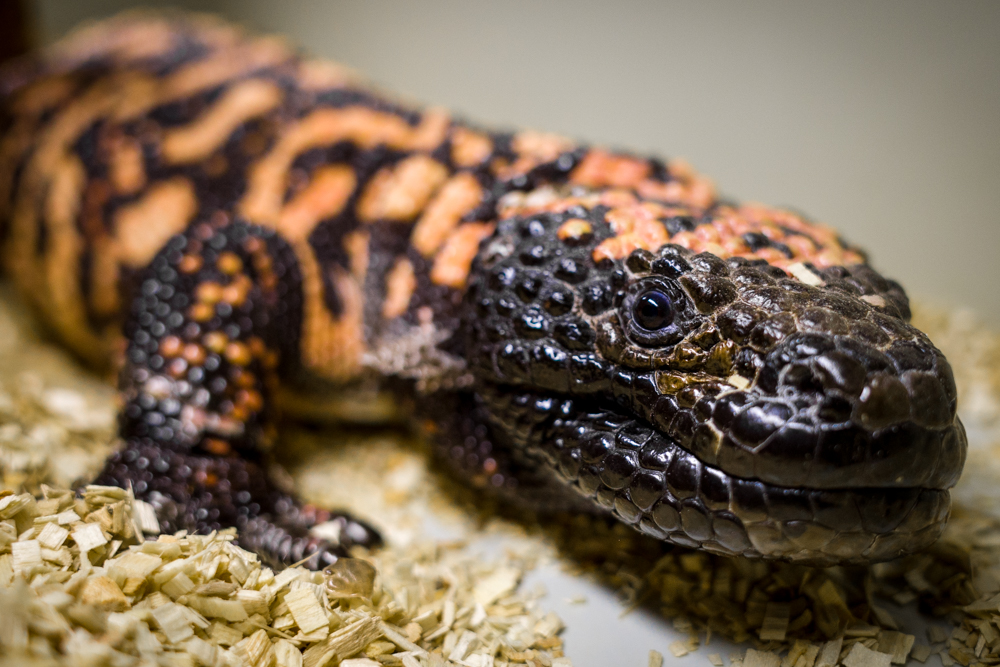 We are 132 days past oviposition and the remaining six eggs appear to be hanging in there. One of the eggs has dented in, which I am hoping means that it will hatch in the next few weeks and does not mean the embryo has died. The other eggs remain rigid and appear to be well, fingers crossed they come to term! The Grumbach has been great in maintaining the temperature and humidity stable throughout incubation, but I have noticed that the egg boxes have increased in temperature by 1°F higher than the incubator over the last few weeks. Condensation has also started to build up (mostly on the sides) so I’ve been keeping an eye on that to ensure none falls on the eggs potentially suffocating the embryo inside. Since the eggs were incubated at the lower end of the range it can be expected that the eggs will hatch (if they do) toward the later end of the spectrum, potentially 150+ days. Man, I can’t wait…
 Goatsby's Place